Skip to content


Trucking safety compliance standards act as a practical safeguard against steep fines, operational disruptions, and legal trouble that can hit small carriers and owner-operators. Understanding federal and state mandates helps you manage risk, keep freight moving, and protect your standing with shippers, insurers, and regulators. This guide covers core FMCSA and DOT requirements, how DOT safety audits work, how compliance lowers financial exposure, and when proactive legal membership—including plans from RightsVantage—fits into the picture.
What Are the Essential Trucking Compliance Requirements Every Business Needs to Know?

Key trucking compliance requirements are the safety and operational rules set by the Federal Motor Carrier Safety Administration (FMCSA) and the Department of Transportation (DOT). They cover driver qualifications, hours of service, vehicle maintenance, cargo securement, and record-keeping—areas designed to reduce crashes and enforcement risk. When you handle these basics well, you protect assets, support better insurance terms, and build trust with shippers and regulators.
What Is the Role of the FMCSA and DOT in Trucking Regulations?
The FMCSA and DOT establish and enforce trucking safety compliance standards through inspections, safety programs, and enforcement actions. The FMCSA focuses on driver qualifications, drug and alcohol testing, crash investigations, and safety audits. The DOT sets broader transportation policy and coordination across modes. Together they form the framework behind the Federal Motor Carrier Safety Regulations (FMCSR) that shape day-to-day operations.
Which Federal Motor Carrier Safety Regulations (FMCSR) Affect Your Business?
FMCSR rules address drivers, vehicles, and operations. Following them helps prevent penalties and improves safety performance.
- 49 CFR Part 382 (Drug & Alcohol Testing): Reduces crash risk through fitness screening
- 49 CFR Part 383 (CDL Qualifications): Keeps only qualified drivers behind the wheel
- 49 CFR Part 395 (Hours of Service): Limits fatigue-related incidents and supports insurance outcomes
- 49 CFR Part 396 (Vehicle Inspection & Repair): Cuts breakdowns and roadside citations
- 49 CFR Part 393 (Cargo Securement): Reduces load-shift liability
Complying with these parts supports a safety management culture that ties into CDL requirements and fatigue management.
How Do Commercial Driver’s License (CDL) Requirements Impact Trucking Operations?
CDL rules require specialized licensing, medical certification, and drug testing so only qualified drivers operate commercial motor vehicles. Carriers must verify licenses, keep medical examiner certificates on file, and run required testing programs. That structure lowers liability and aligns driver fitness with FMCSA standards. For drivers, a citation or medical lapse can threaten the license that pays the bills—which is why license reinstatement support matters when problems arise.
If you are newer to the industry, pair this business-protection view with our overview of key trucking industry regulations for new drivers.
What Are Hours of Service (HOS) Rules and How Do They Prevent Driver Fatigue?
Hours of Service rules limit driving and on-duty time through mandatory rest and maximum shift lengths. Under current federal rules, drivers generally:
1. Drive up to 11 hours after 10 consecutive hours off duty.
2. Stay on duty no more than 14 hours after a qualifying rest period.
3. Take a 30-minute break after 8 hours of driving.
4. Use a 34-hour restart to reset weekly limits when eligible.
These limits are meant to keep drivers alert. They also connect to vehicle maintenance expectations—fatigue-related risk rises when equipment issues pile onto long duty days.
How Do Vehicle Maintenance and Cargo Securement Standards Ensure Compliance?
Vehicle maintenance and cargo securement rules require systematic inspections and proper load securing to prevent mechanical failures, cargo shifts, and roadside citations. Carriers must run pre-trip and post-trip inspections, keep repair logs, and follow securement guidelines for weight distribution and tie-downs.
- Pre-Trip Inspection (Record defects before departure): Fewer breakdowns and enforcement stops
- Post-Trip Inspection (Document issues after the run): Faster corrective maintenance
- Annual Inspection (Certified brake and chassis check): Supports safety ratings and insurance
- Cargo Securement (Approved tie-downs and dunnage): Reduces load-shift liability
Solid maintenance and securement habits also make DOT safety audits less painful.
How Can Trucking Businesses Prepare for and Navigate DOT Safety Audits?

What Is a DOT Safety Audit and Why Is It Important for Trucking Companies?
A DOT safety audit reviews a carrier’s safety practices, records, and FMCSR compliance to confirm that safety management controls work. Passing supports your fitness to operate and helps avoid registration holds, fines, or authority limits. Strong audit results also signal to insurers and customers that you take safety seriously.
How to Create a DOT Safety Audit Preparation Checklist?
Use a simple checklist so records are ready when investigators ask:
1. Compile driver qualification files, including CDL copies and medical certificates.
2. Keep HOS logs or ELD records for at least six months.
3. Gather vehicle maintenance records and inspection reports.
4. Document drug and alcohol testing policies and results.
5. Prepare cargo securement and emergency-response policies.
6. Verify insurance certificates and operating authority.
Which FMCSA Compliance Records Must Be Maintained for Audits?
FMCSA expects carriers to retain records that prove adherence, including:
- Driver qualification files (CDL, medical exams)
- HOS logs or electronic logging device (ELD) data
- Drug and alcohol testing consents and results
- Vehicle inspection and maintenance logs
- Accident register and post-accident testing records
- Insurance and operating authority documents
Organized files reduce audit stress and support clean ELD workflows.
How Do Electronic Logging Devices (ELDs) Support Compliance and Audit Success?
Electronic Logging Devices automatically record driving time, engine hours, miles, and rest breaks for HOS enforcement. Compared with paper logs, ELDs cut manual errors, produce more consistent records, and speed data retrieval during DOT audits. They are a compliance tool—not a substitute for training, maintenance, or judgment behind the wheel.
How Do Trucking Regulations Protect Your Business from Financial Risks and Legal Liabilities?
Trucking regulations reduce financial and legal exposure by enforcing standards that prevent crashes, cut violations, and protect safety scores. Fewer fines, better premiums, and stronger defense positions in litigation all flow from documented adherence—not from hoping problems never appear.
How Does Compliance Reduce the Risk of Costly Fines and Penalties?
Following FMCSR and DOT rules reduces citations and civil penalties. Carriers that keep maintenance schedules, HOS limits, and driver fitness programs in order typically see fewer roadside violations. That preserves capital and operating authority so freight can keep moving.
What Is the Connection Between Compliance and Lower Insurance Premiums?
Insurers reward stronger safety records and lower violation rates with better premiums and terms. Meeting inspection, HOS, and testing requirements presents a lower risk profile to underwriters—and those savings show up on the P&L.
How Do Regulations Help Mitigate Accident Liability and Nuclear Verdicts?
Documented compliance—maintenance logs, ELD data, qualification files—supports due diligence when an accident leads to litigation. That paper trail will not erase every claim, but it helps show proactive safety work and can limit exposure to extreme verdicts that threaten a carrier’s survival.
Why Is Maintaining a Clean Driving Record Critical for Business Protection?
A clean driving record reflects disciplined HOS, licensing, and safety habits and feeds your FMCSA safety picture. Better scores mean fewer interventions, better insurance outcomes, and more confidence from customers. Driver accountability through training and monitoring is part of that culture—and when a traffic violation threatens a CDL, early legal help matters.
What Legal Protections Are Available for Commercial Truck Drivers and Trucking Businesses?
Legal protection for drivers and carriers ranges from violation defense to support after serious accidents. The goal is faster counsel, clearer risk assessment, and defense strategies that limit downtime and legal cost.
How Do Prepaid Legal Services Provide Proactive Compliance Support?
Prepaid legal membership gives ongoing access to attorneys who understand transportation issues—so you are not shopping for counsel after a roadside stop or DOT notice. RightsVantage membership plans are built for commercial drivers who need predictable monthly access to legal help for the career risks that come with a CDL, rather than paying surprise hourly fees only after trouble starts.
What Are the Benefits of Moving Violation Defense for CDL Holders?
Moving violation defense for CDL holders provides representation on traffic citations that can add points, raise insurance costs, or put a license at risk. Contesting or negotiating citations helps protect qualifications and keep drivers working. For related carrier-side enforcement pressure, DOT violation defense focuses on the citation and compliance issues that show up in roadside and audit contexts.
How Can Legal Services Assist in Managing Accident Liability and Litigation Risks?
After a crash, legal support helps coordinate with investigators, preserve evidence, and interpret rules such as cargo securement and HOS when liability is disputed. RightsVantage also offers tragic accident representation for serious incidents where career and business stakes are highest. Prepaid access means you are not starting from zero when the phone rings.
How Do State-Specific Trucking Laws Affect Legal Protection Strategies?
States add their own weight limits, permits, and intrastate licensing quirks on top of federal rules. Legal strategies need counsel who can apply those local differences—not a one-size script. RightsVantage membership is designed so drivers and operators can reach transportation-focused attorneys when state and federal rules collide.
What Financial and Operational Benefits Result from Adhering to Trucking Safety Standards?
Meeting trucking safety standards reduces downtime, steadies maintenance cycles, and supports customer trust through reliable service. Compliance is not only a cost center—it is how you keep authority intact and freight on schedule.
How Does Compliance Enhance Business Reputation and Client Trust?
Carriers with clean safety records and audit success signal reliability to shippers and brokers. Low violation history and documented controls help in contract talks and preferred lanes. Reputation for following the rules supports long-term relationships.
In What Ways Does Regulatory Adherence Ensure Operational Continuity?
Consistent compliance helps you avoid out-of-service orders, registration holds, and authority suspensions that stop revenue overnight. Training, audits, and organized records keep service predictable. Continuity then supports cost control and growth.
How Can Strong Safety Records Lower Operational Costs?
Fewer crashes, fewer mechanical surprises, and fewer penalties all lower direct costs. Scheduled inspections make maintenance budgets more predictable. Better insurance terms and fewer out-of-service events free cash you can put back into the business.
What Emerging Regulations and Technologies Impact Trucking Compliance and Business Protection?
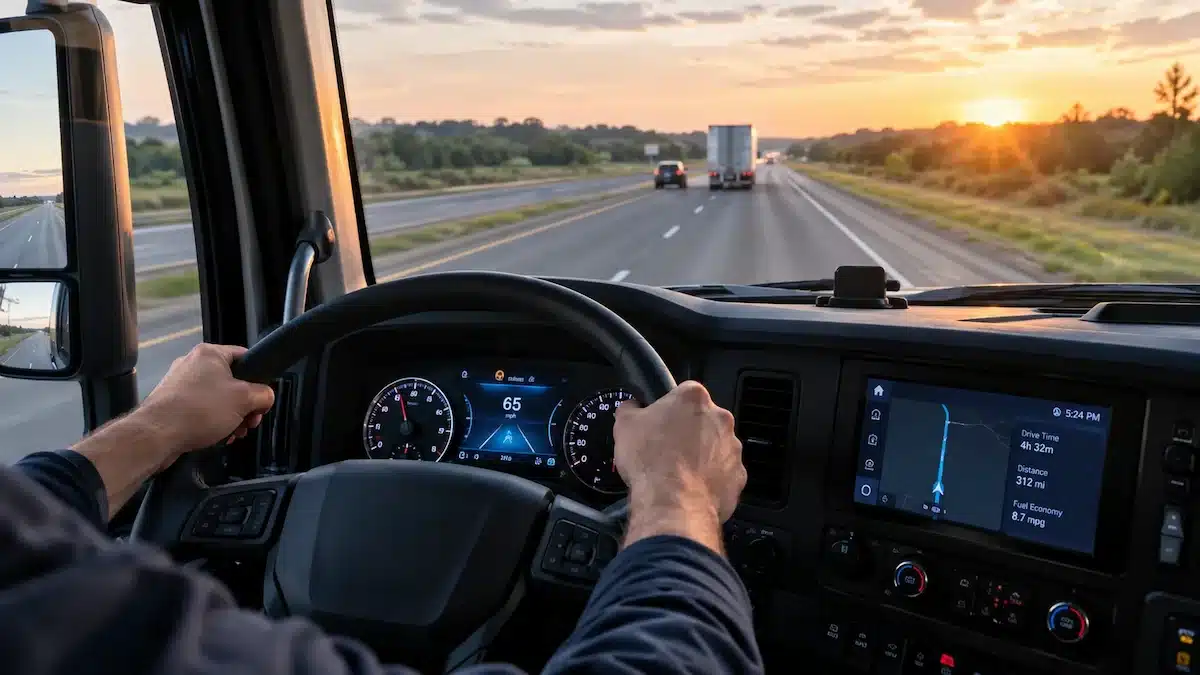
New rules and tools keep changing the compliance baseline—stricter environmental expectations, richer data from ELDs and telematics, and automated monitoring that surfaces risk earlier. Staying current protects both audit readiness and operating cost.
How Do New ELD Mandates and Environmental Standards Affect Compliance?
ELD requirements continue to expand data expectations, while environmental rules tighten emissions and idle limits. Fleets respond with better telematics, updated maintenance, and fuel-efficiency habits so they clear audits and control cost.
What Role Does Technology Play in Enhancing Trucking Safety and Compliance?
Telematics, dash-cam analytics, and predictive maintenance help monitor driver behavior, vehicle health, and route risk in near real time. Used well, that data supports coaching, repairs before failure, and smarter dispatch—not just more alerts.
How Should Trucking Businesses Adapt to Changing Regulatory Landscapes?
Assign someone to watch FMCSA, DOT, and state updates, translate them into policy, and train drivers before the roadside stop. Cross-functional coordination between safety, ops, and leadership turns rule changes into manageable process updates instead of crisis mode.
Protect Your CDL and Your Operation with RightsVantage
Trucking regulations set the safety floor—and documented compliance protects cash flow, insurance costs, and operating authority when things go wrong. Pair strong internal controls with legal membership so you are not alone after a citation, DOT issue, or serious incident.
RightsVantage connects commercial drivers with transportation-focused legal membership plans covering moving violation defense, DOT violation defense, license reinstatement, and related career-protection needs. See how it works, browse trucking legal services, or contact RightsVantage at [email protected] to discuss membership options.